Pages

Tuesday, September 27, 2005

I am in paradise! / Ma olen paradiisis!


What is the paradise? What does it mean to be in paradise? I got an answer to those questions after arrival in Split.

Split is second largest city in Croatia which is situated on the coast of Adriatic sea. It is the capital of Dalmatia (Croatian coastline district). Dalmatia and its beautiful beaches, diverse islands, well preserved old towns and mild warm climate attract many tourists from all around the world. Croatia got a title as "Lonely Planet Destination No. 1 in 2005". And now I understand why.

The most southern point that I have ever been to before that trip was Munich (Mynchen) in Southern Germany. But here I got the feeling of real Southern Europe! It is amazing for me to see palm-trees growing on the streets and in the gardens of people. Amazing is to see the light blue-green colour of the water in the sea. Amazing is the fact that today is 27th of September, but I am sweating in the t-shirt and will go to the sea to swim in couple of hours.

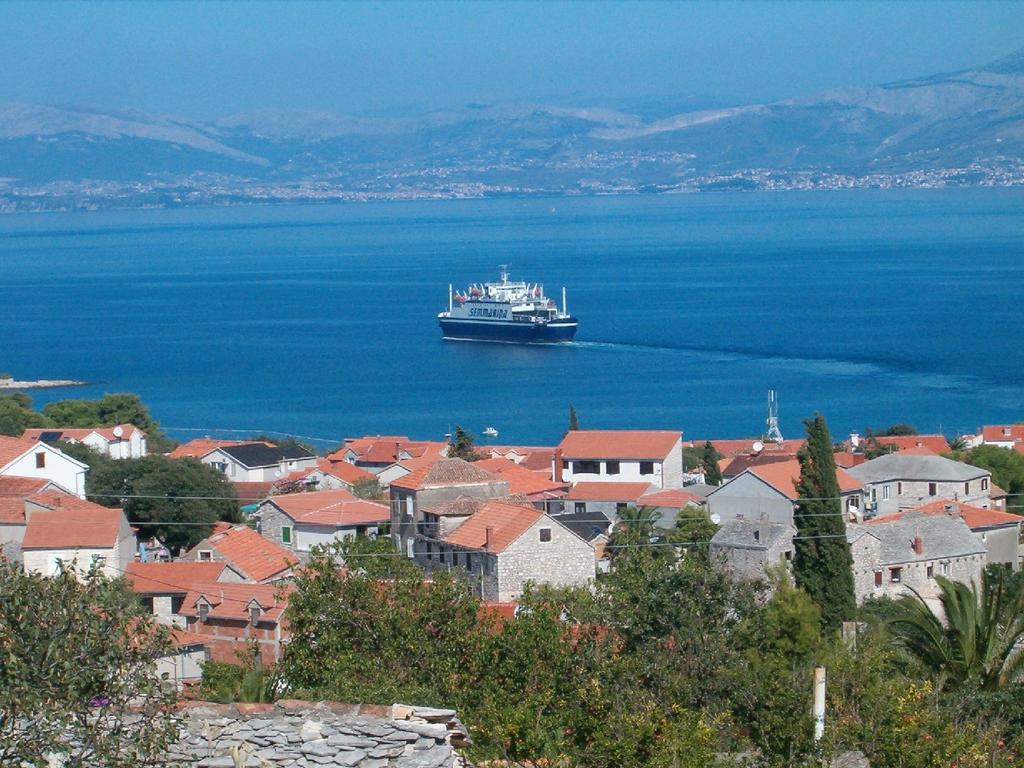
About 300 meters away from my dorms, where I am staying, is the seacoast. There are plenty of bigger and smaller islands near Split, therefore one can get a breathtaking view on the mountainous islands around Split.

It is strange to feel that my real summer has started just in Slovenia in the middle of September and got to its highlights just in Split in 20ths of September. There was too much work in July and August in Berlin to get a real summer feeling probably.
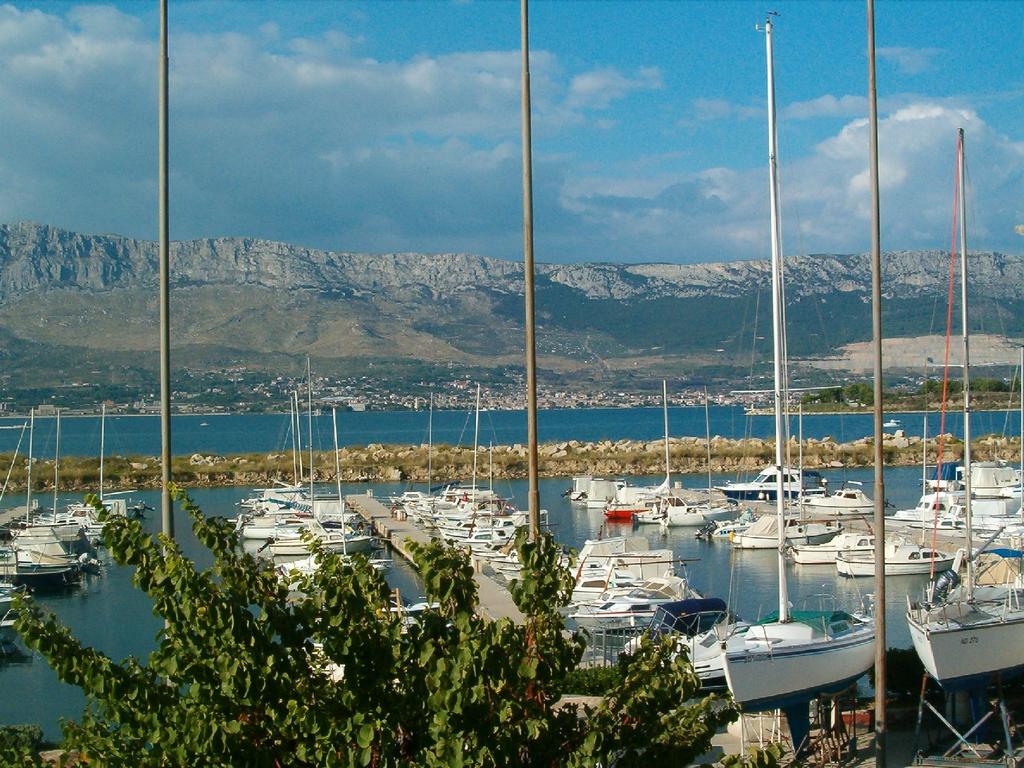

Split is also very interesting because of its history and architecture. It is 1700 years old and its old part has its roots in Ancient Rome. It is considered as one of the best preserved Ancient Rome towns. The old part is under protection of UNESCO. It is great feeling to see 1500-1600 years old stone houses which are still inhabited. It is amazing to walk on the one-meter-broad streets where the others walked also a thousand years ago.

What do I do here? I am staying in Split for about 4 months till the end of January. I will be working in AIESEC Split Executive Board and will be responsible for promotion and recruitment of local students and graduates who want to go for a traineeship abroad. For Aiesecars - I am doing CEED as VPOGX here. This is an interesting challenge because Split has lot of potential, but they just sent 2 people abroad last year (whereas they accepted about 14).

I came to Split from Zagreb, a capital of Croatia, where Is pent three days. Although being an interesting city, Zagreb does not differentiate in my opinion from many other Central European big cities that I have been to before. A very interesting experience was to feel difference in landscape and climate in different parts of Croatia. When I entered the bus in Zagreb, it was around 12 degrees, rainy and grey. When I arrived in Split, it was 25 degrees outside and completely sunny!

I went to the island Brac next to Split on my first weekend here. It has around 14.000 inhabitants altogether. I could walk around 25 kilometres a day on this island. Because everything was just so nice! :) I am going to upload the pictures from there soon.
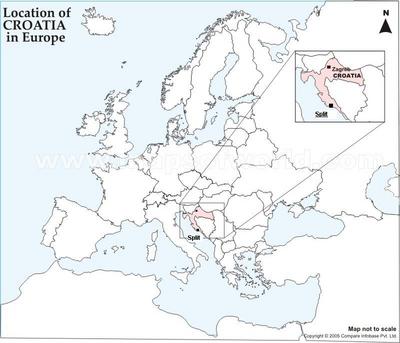
You wonder where exactly Split is? / Ka su vanaisa ei tea tapselt, kus asub Split?
-----------------
[EST] Mis on paradiis? Mis tahendab olla paradiisis? Sain vastuse nendele kysimustele tulles Spliti.

Split on suuruselt teine linn Horvaatias, mis asub Aadria mere rannikul. See on yhtlasi Dalmaatsia (Horvaatia rannikuosa) pealinn. Dalmaatsia oma kaunite randade, mitmekesiste saarte, hasti sailinud vanade linnade ja pehme sooja kliimaga meelitab paljusid turiste kogu maailmast. Horvaatia sai tiitli "Lonely Planet Destination No. 1 in 2005". Ja ma sain aru misparast.

Enne seda reisi oli k6ige l6napoolsem punkt, kuhu ma olen j6udnud, Mynhen. Siin sain tunda t6elist L6una-Euroopat! Imeline on naha palme, mis kasvavad tanavatel ja inimeste aedades. Imeline on naha merd rohelis-sinise veega (parast seda ei saa ma Laanemere vee varvi mitte kuidagi teisiti kui halliks nimetada). Imeline on see, et tana on 27. september ja ma higistan t-sargis ning paari tunni parast lahen meres ujuma.

Umbes 300 meetri kaugusel mu yhiselamust on mererand. Ja kuna Spliti lahedal on palju vaiksemaid ja suuremaid saari, siis Splitist avaneb kaunis vaade lahedal asuvatele magistele saartele.

Imelik on tunda, et mu t6eline suvi algas alles Sloveenias septembri keskpaiku j6udes oma tippu Splitis septembri 20-tel kuupaevadel. Berliinis oli liiga palju tood t6elise suvise tunde tekkimiseks.

Split on aarmiselt huvitav ka oma ajaloo ja arhitektuuri parast. See on 1700 aastat vana ning vanalinn parineb Vana-Rooma aegadest. Seda peetakse Vana-Rooma ajast yheks k6ige paremini sailinuks linnaks ning kesklinn on UNESCO kaitse all. Vaatepilt vanalinnas on muiudugi kirjeldamatu. Umbes 1500-1600 aasta vanused kivised majakesed, kus siimaani elatakse ja ligi meetrilaiused tanavad, kus kaidi ka tuhat aastat tagasi - see k6ik on vaga v6imas.

Mida ma siis siin teen? Jaan Spliti ligikaudu 4 kuuks kuni jaanuari l6puni. Selle 4 kuu jooksul tootan AIESEC Spliti juhatuses, kus hakkan korraldama AIESECi promot kohalike tudengite jaoks eesmargiga neid AIESECi praktikale valismaale saata (ehk teen sama tood, mis Tartu AIESECis). Aiesecarite jaoks - olen CEEDil ning tootan VPOGXina. See on huvitav valjakutse, sest Splitil on kindlasti potentsiaali, kuid eelmisel aastal saatsid nad valismaale vaid 2 inimest (samal ajal kui v6tsid vastu ligi 14).

Spliti tulin Horvaatia pealinnast Zagrebist, kus veetsin kolm paeva. Kuigi huvitav linn, ei erine Zagreb minu jaoks paljudest teistest Kesk-Euroopa suurlinnadest, mida olen seni nainud. Kirjeldamatu tunne oli mul kui sain tunda, kuiv6rd mitmekesine on Horvaatia maastik ja kliima. Kui istusin Zagrebis bussi, oli valjas umbes 12 kraadi sooja, vihmane ja hall. Kui valjusin bussist (s6it kestis 4,5 tundi), paistis paike ja sooja oli ligi 25 kraadi!

Mu esimesel nadalavahetusel olen j6udnud ara kaia Spliti lahedal asuval saarel Brac, kus kokku elab ligi 14.000 inimest. Sellel saarel k6ndisin umbes 25 kilomeetrit paevas. Sest k6ik on nii ilus! :)

Tuesday, September 20, 2005

A word from beautiful Slovenia


It is my last evening in Slovenia, where I have got two friends, whom I met in Germany two and three years ago. It is a beautiful country! Although it is smaller than Estonia, it has everything from the mountains till the sea beaches.

I was very kindly hosted by my Slovenian female friends. I went to hike in the mountains (Velika Planina). I went to one of the most famous caves in Europe, which goes 100 meters deep under the surface and is 20 km long (Postonjska Jama). I saw the beautiful white horses from the race Lipica. I went to the gorgeous lake of Bled surrounded by mountains and having little island just in the middle with lovely church on it.

Apart of it I went to the night club in Ljubljana, had fun with Slovenian students in the dormitory and had fabulous dinners in the family of my friend.

More than happy! :)

Interesting that I found many similarities with Estonia. Slovenia is also a small country with population just about 2 millions (Estonia has 1,4 millions) - so Slovenes are also the part of the remarks from foreigners like "Ooo! Your whole country is smaller than my city!".

Slovenia is the most developed country in ex-Yugoslavia (it has the strongest economy among all Post-Communist countries in Eastern Europe) as much as Estonia is considered to be the most progressive ex-Soviet country. Mentality of the people is also similiar to the one in Estonia. Slovenia has national minorities from other ex-Yugoslav republics which could be compared to Estonian Russians (mentality, economic and societal position etc).

Picture of the rural areas differ significally from Estonia, being very similiar to Southern Germany: nice white houses with red flowers around.

Tuesday, September 13, 2005

Last days in Berlin

On the beach in the outskirts of Berlin...


Tomorrow is my last day in Berlin. Today I am working in my restaurant for the last time and having small party with my colleagues. Tomorrow I am going to organize a big farewelll-party for all the people whom I met here: AIESECars from Berlin, other trainees, some of my colleagues from both works.

One period of my life is ending. Another one is starting. I am going to Ljubljana (Slovenia) for some 4 days. I have one friend there whom I have not seen since 3 years. We met in Germany three years ago, spent very much time together and all that time kept in touch. Now I will see her again. After that I am going to Zagreb (Croatia), where one very dear person lives. I have not seen her more than one year. I wonder how it will be...

Afterwards I am heading to Split, where I am going to spend around 4 months of my life. I am going to work in local bureau of AIESEC. Split is considered to be a pearl of Mediterranean area.

Many things happened to me in Berlin, positive as well as some negative. But I gained many new experiences, I growed as a person, I feel myself even more comfortable in this world. Let's see what will I learn from my next period of the life.

Friday, September 02, 2005

Hard work in Berlin

I have not written here anything since a long time. The reason is that I am working as mad. In addition to my main traineeship from 9.00 till 17.30 I work about 3 evenings in a week in the restaurant in service (I need to earn money for my future trip to Slovenia and Croatia). I go there directly from the first work and stay there till 1 o'clock. It means that I come home by 2 o'clock.
And Deutsche Welle has been organizing two big events last and this weekends. That is one of the main reasons, why do they keep me here - to help by organizing them. The closer event, the more job to do.
But it is interesing experience, as now I truly understood, what does it mean to be really tired, exhausted, f***d up, whatever you call it. When you work 14 hours in a day, when you need one hour to go there and one hour to go back and you return home in the late night, there is no other word than "bed" turing around in your head. Your legs are hurting like a hell and your mind is completely switched off. Now I understand people in the third world countries, who work 12-14 hours doing physical job. I thought that it might be good, if all politicians, professors, managers etc would try to work like this for some few weeks at least. Then they would appreciate more physical labor of "ordinary" people.
By the way I understood, why Communism has been so popular in 20th century. Workers and peasant worked around 12 hours in a day in Russia before 1917. And they saw all those reach guys driving around with they horses, smoking siggars and taking rest in resorts. Of course, the feeling of being apart of the society rose in their heads. I must admit, I have been feeling kind of the same, when I have been returning home after being at two works and saw all those fancy Berlin young people in Cadillacs dressed in very expensive clothes. So, I could be potential participant in a revolution...
But also something about positive experience - I have been invited to be the chair of Reception Weekend in Berlin last weekend. For those who do not know - reception weekend is 3 days long AIESEC event, when trainees and aiesecars from other cities come to Berlin to discover the city and have fun. I have been providing fun for them and I suppose, I succeeded :) It was interesting experience for me anyway, as a reception weekend is different from AIESEC conference, which I have been chairing before. People work less, party more.
Ah yes, there was another guy with me as a chair as well - one Columbian, whom I like actually. The thing is that he came to the Saturday morning plenary 5 minutes after it has ended. Probably it was to hard for him to arrive in the Sunday morning plenary, because no-one saw him there anyway. :)
My boss in Deutsche Welle said that as I have been being nice and hard-working guy, I can finish my work here 3-4 days earlier than we agreed before. Probably I will go to Slovenia and Croatia a bit earlier also. So, my dream will come truth probably earlier ;)

Friday, August 12, 2005

The coldest August in the past 100 years / K6ige külmem august viimase 100 aasta jooksul

I met Helena from AIESEC Pärnu yesterday, who came to Berlin for one AIESEC conference. She stayed at my place and we organized small Estonian party, where I invited some other trainees. We drank Estonian wodka, ate Estonian chocolate and everyone seemed to enjoy it. Tomorrow some more Estonians are coming and will bring some food that I miss here in Germany. It is so great to host guests from the homeland! :)

Small party in my dormitory: me, Helena and Berlin trainees / Väike pidu minu juures: mina, Helena ja Berliini praktikandid


The weather sucks here. Today I read from the newspaper that it has been the coldest August in past 100 years in Berlin. One guy from Poland brought from home an autumn-jacket, because it is just too cold. And it is raining constantly. I want to Croatia already.


This Saturday I am organizing a trip to Rostock, where famous Hansa Sail will take place. But the greatest is the fact that 18 people according to today’s stand are joining the trip. 18 trainees from all around the world travelling together in Germany – it is something really great!


There is an important change in my life – I found additional job for me. I work 2-3 evening per week in a restaurant as a waiter. It is a Brasilian restaurant. Both place itself and the food is great there. It is a bit tiresome, as I have to go there straight after my main job and stay there until one o’clock and the next morning go to the main job again. But the fact that I can earn 50-65 euro with one evening with that kind of job seems unbelievable for me as an Eastern European. And I need money to go to Croatia. So it is a good opportunity for me actually.


Story No 6. About smiling and friendliness
There is very much "keep smiling" culture in Germany in comparison to Estonia. I have been thinking, whether it is so good. On one hand it is good, when people are not constantly with dour faces around like in many Estonian shops or other places, but they know about existence of smiles too. And people are generally more friendly here than in Estonia. On the other hand. it is often just fake.


For example my work. Secretaries here have always joyful voices, speak by phone to the people as if they would be their best friends, lovers etc. And when they finish their phone conversation, they say to each other something like: "Ohhh, there was again this senseless talk"... Then I think always that those female colleagues of me presumably speak in absence of me something like: "Ohhh, there was again this stupid foreign trainee"... I hate hypocrisy.


----------------------------------
[EST] Eile sain kokku Helenaga AIESEC Pärnust, kes tuli Berliini ühele seminarile. Ta ööbis mu juures ja me korraldasime väikse Eesti peo, kuhu ma kutsusin oma tuttavaid praktikante. J6ime koos Eesti viina, s6ime koos Eesti sokolaadi ja meil oli üldiselt tore olla. Homme tulevad ühed teised tuttavad Eestist, peavad tooma häid asju Eestist (nagu näiteks Tallina Peenleib, sest Saksamaal head musta leiba ei eksisteeri). Nii hea meel on vastu v6tta külalisu kodumaalt :)


Ilm sakib siin täiega, teist väljendit ei oskagi selle jaoks leida. Lugesin täna ajalehest, et tänavu on k6ige külmem august viimase 100 aasta jooksul. Tuttav Poola praktikant tellis kodust sügisjope, sest liiga külm on. Sajab ka pidevalt. Ülehomseks lubati aga koguni 21 kraadi sooja! Uskumatu. Tahan Horvaatiasse juba.


Sel laupäeval korraldan ühe reisi Rostocki, kus toimub kuulus regatt. K6ige lahedam on selle juures aga see, et meid tuleb sinna praeguse seisuga 18 inimest. 18 praktikanti k6iksugustest maailmariikidest koos Saksamaal reisimas – see on midagi t6esti väga lahedat.


Oluline muutus mu igapäevaelus – leidsin endale lisatööd. Töötan nüüd 2-3 6htut nädalas restoranis kelnerina. See on Brasiilia restoran, väga ilus koht ja toidud on super. See on natuke väsitav, sest pean sinna minema otse mu esimeselt töökohalt ja jään sinna kuni kella üheni ja järgmisel hommikul uuesti esimesele tööle. Aga minu kui ida-eurooplase jaoks tundub see fakt, et saan kelnerina 50-65 eurot ühe 6htuga teenida, ikkagi uskumatu. Ja ma vajan raha, et Horvaatisse minna. Nii et hea v6imlaus tegelikult.
Me in the restaurant, where I work in the evenings / Mina restoranis, kus ma töötan 6htuti


Lugu nr. 6. Naeratusest ja s6bralikkusest


Saksamaal on erinevalt Eestist palju "keep smiling’ut". Ma olen m6tisklenud, kas see on ikka hea. Ühelt poolt on ju tore, kui inimesed ei ole mornide nägudega nagu paljudes Eesti poodides v6i muudes kohtades, vaid teavad naeratuse olemasolust ka. Ja inimesed on üldiselt natuke s6bralikumad siin kui Eestis. Samas on see tihtipeale ikkagi väga v6lts. Näiteks kui ma ostan asju supermarketist ja lähen maksma, ütleb mulle müüja muidugi alati "Tere!", "Aitäh!" jne. Aga ta ütleb mulle "Nägemist" juba siis kui ta mulle tsekki ulatab ehk enne seda, kui ma päriselt ära lähen, sest ma pean ostetud asju ka kotti panna.


V6i minu töö juures. Siinsed sekretärid on ülir66msate häältega telefonis, räägivad teistega justkui oleksid need nende parimad s6brad, armukesed vms. Kui nad telefonitoru aga hargile panevad, räägivad omavahel umbes taolist juttu – "Ohhh, jälle oli üks m6ttetu jutt"... Siis m6tlen alati, et täiesti vabalt v6ivad need naiskolleegid, kes on muidu väga s6bralikud mu vastu, minu äraolekul rääkida midagi sellist – "Ohh, jälle see m6ttetu välispraktikant"... Vihkan silmakirjalikkust.

Friday, August 05, 2005

TOP 5 most surprising facts about Estonia for the foreigners / TOP 5 faktidest Eesti kohta, mis üllatavad välismaalasi

Now there is around 40 more people in the world who know how great is my small country called Estonia :) I did a country-presentation for local AIESEC members and other foreign trainees. I showed a nice PowerPoint, played music from Estonia, we drank some Estonian beverages, ate Estonian chocolate and everyone seemed to enjoy the evening. Me too, as I like to talk about Estonia. Do you want to know TOP5 of facts about Estonia which are most surprising for foreigners (maybe for you too) :)

#1 The highest point of Estonia is 318 meters. The best reaction I got to it: "It is like a swamp!"

#2 There are white nights in Estonia. This seems to be unbelievable for people from the South that there are nights in June-July, when there is never getting completely dark.

#3 Estonian girls are sooooo beautiful! Some of the people who have been to Estonia and others who took a look on my photos with some female friends, were surprised about how nice they are. I should agree ;)

#4 Internet-phone Skype was originally created in Estonia. This and other facts like e-government, e-elections and other wide-spread advancements in technology are surprising for foreigners.

#5 There are 1,4 Million inhabitants in Estonia. Typical reaction: "But it is 3/4/6/10 times less than in my city!" Yes we are little :)

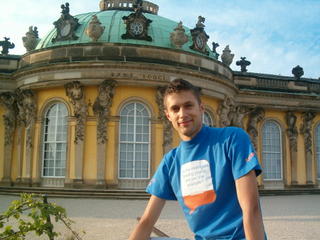
One of the biggest surprises for me was to hear from the Southern foreigners (I go out here a lot with people from Greece, Turkey, Arabic countries) something like that: "Deniss, you should know that guy! He looks the same blond like you!" Me and blond?!! In Estonia I am considered to be quite dark - I tried to explain - but nothing helped! :)


"Blond" me in the front of castle in Potsdam / "Blond" mina lossi ees Potsdamis

Last weekend we were to the Nazi concentration camp museum near Berlin. Very interesting, but quite sad place to visit. Nazis killed more than 100.000 people in this single place...

Two of my former classmates from the university stayed at my place this week. They travelled around Europe by hitch-hiking and I offered them to make a stop in Berlin. They agreed and we all were very happy. They - because they got some place to stay
for free. Me - because I was happy to get a visit from some great Estonians. One friend of mine booked two nights at my place for the next week already. And after her one more couple from Estonia is coming. I am functioning like a youth hostel and it is great :)

I won't be telling any stories this week, but you can share my compassion toward misused bicycles in Berlin. For me, a big fan of a bicycle, it has been a very sad picture... You can take a look on the gallery of them and my other newer pictures here:
www.flickr.com/photos/deniss

-----------------

[EST] Nüüd on maailmas umbes 40 inimese v6rra rohkem, kes teavad, kuiv6rd lahe riik on Eesti :) Ma tegin siin kohaliku AIESECi ja teiste välispraktikantide jaoks presentatsiooni Eestist. Toreda powerpoindi, kena muusika, Viru Valge+6unamahla kokteili ja mu esinemise abil :) Tahate teada, mis on top 5 faktidest Eesti kohta, mis teisi üllatavad?

#1 Eesti k6ige k6rgem koht on 318 meetrit. Parim reaktsioon sellele: "See on ju nagu soo!" Olge uhked, Eesti soo-armastajad!

#2 Eestis on valged ööd. L6unamaalaste jaoks tundub uskumatu, et juunis-juulis on ööd, mil ei lähegi täiesti pimedaks. Olge uhked, Eesti romantikud!

#3 Eestis on niiiiiiii ilusad naised! M6ned meeskodanikest välismaalased on Eestit külastanud ja oli näha, kuiv6rd hakkasid nende silmad särama kui nad rääkisid oma muljetest Tallinna/Tartu ööklubidest. Sama reaktsioon on järgnenud sellele, kui näitasin pilte minust ja mu naissoost tuttavatest-s6pradest Eestis. Olge uhked, Eesti naised :)

#4 Skype'i on välja arendatud Eestis. See ja sellised faktid nagu e-valimised, e-valitsus jne, pakuvad inimestele alati üllatuse. Olge uhked, Eesti tehnokraadid!

#5 Eestis on 1,4 miljonit elanikku. Tüüpiline reaktsioon: "See on ju 4/5/6/10 korda vähem kui mu linnas!". Olge uhked, Eesti maaelu patrioodid!

Ja mind ennast on üllatanud, kui l6unamaade inimesed (ma suhtlen siin palju praktikantidega Kreekast, Türgist, Araabia maade esindajatega jne) ütlevad mulle midagi sellist: "Noh, tead ju seda tüüpi! Tal on sama blondpea nagu sinulgi". Mina ja blond?!!!

Eelmisel nädalavahetusel käisime ekskursioonil endises natsi-konts.laagris. Nüüd on seal muuseum. Huvitav, aga kurb. Ainuüksi selles kohas tapsid natsid ligi 100.000 inimest...
A story of the bicycle in Berlin - the part of my gallery / Berliini jalgratta lugu - mu gallerii osa

Sel nädalal käisid mu juures külas kaks endist kursa6de Eestist - Maarja ja Kadri-Liis! Nad ööbisid mu juures kaks ööd ja mul oli väga hea meel selle üle. Järgmisel nädalal broneeris mu toa veel üks tuttav neiu ja pärast veel üks paar Eestist. "Zum Deniss" hotelli uksed on lahti k6ikide jaoks!

Sel nädalal ei hakka lugusid rääkima, sest tegelikult on praegu reedene 6htu ja k6ik kolleegid on töölt ammu lahkunud ja mina üksi istun kontoris nagu loll, sest varem ei olnudki aega midagi kirjutada.

Huvilised v6ivad aga jagada minu kurbust mahajäetud jalgrataste suhtes (mulle kui jalgratta suure s6bra jaoks on see vaatepilt eriti nukker olnud) siin: www.flickr.com/photos/deniss Seal saab nautida ka muid värskemaid pilte.

Tuesday, July 26, 2005

Dresden and West- and East-Berlin / Dresden ning Lääne- ja Ida-Berliin

Last weekend I were in Dresden with other trainees from Berlin. Dresden is around 150 km away from Berlin and used to be one of the most beautiful cities in the Central Europe before II World War. US and British aircraft bombarded Dresden heavily during one night in February 1945 which resulted in destruction of 80% of the buildings in the centre and the death of around 300.000 inhabitants and refugees who gathered this night to Dresden. The rest of destruction was done by DDR Communists who built ugly gray monstrums in the heart of Dresden.

However, it has been done very much to restore the city. All in all, Dresden is very beautiful town which is worth to be visited. Interesting is the fact that the most common postcards for tourists are black-and-white pictures of the city from the 1930s with the words "Dresden as it was before..."


Zwinger castle - one of the main sightseeings in Dresden / Loss Zwinger - Dresdeni üks olulisematest vaatamisväärsustest

The trip there was great - we were 16 altogether and all from different countries!

Story No. 4. About Sandra Bullock and solidarity of men vs. women. One interesting happening from the train Dresden-Berlin. To make the trip more interesting, we organized different games. One of them was connected with various celebrities and we started serious discussion once on the topic "How sexy is Sandra Bullock?". Boys and girls were 50-50 in our company. Girls were from Turkey, Brasil, Kasakhstan, Greece and France. Boys were from Greece, Egypt, Ukraine, Jordan and Estonia (me). Despite multiculturality, all guys were of the opinion that Sandra Bullock "is sexy or at least very attractive". All girls were at the same time of the opinion that this actress cannot be considered as sexy. Who said that there are different standards of beauty in different countries? :)

Story No. 5. About invisible wall between East- and West-Berliners. 1989 the wall in Berlin
fell. 1990 Germany became re-united. Despite this fact one can feel invisible wall between East- and West-Berliners. It is especially interesting to live in Berlin in this sense. I have been talking to several people from the East Germany (former DDR). Although no-one really wants Communism back, there is a lot of nostalgia and disappointment in Capitalism among them. West-Germans, on the contrary, call "Easterners" lazy, who don't want to work. A little bit of statistics to visualize this invisible wall: unemployment rate is around 8% in West Germany, whereas this number is almost 20% in East Germany .

---------------------------

[EST] Eelmisel nädalavahetusel käisin koos teiste praktikantidega Dresdenis, mis asub ligi 150 km kaugusel Berliinist ja mis oli enne Teist maailms6da üks ilusamaid Kesk-Euroopa linne. Ühe 1945. aasta veebruariöö jooksul pommitasid USA ja Inglismaa s6jalennukid linna, mis t6i endaga kaasa vanalinna hävitamist 80% ulatuses ja ligi 300.000 linnaelaniku ja sinna kogunenud p6geniku surma. Imeilusa vanalinna hävitamisele aitasid kaasa hilisemad kommunistid, kes ehitasid kesklinna halle arhitektuurimonstrumeid (Dresden asus DDRi territooriumil ehk kommunistlikus blokis).

1990. ja 2000. aastate jooksul on siiski palju tehtud, et linna taastada. Siiani on linnapildis näha palju kraanasid. Kokkuv6ttes v6ib öelda, et Dresden on väga ilus linn. Huvitav on aga see, et k6ige rohkem on linnas müügil must-valgeid postkaarte hüüdlausega "Dresden as it was before..."

S6it sinna oli l6bus, sest meid oli kokku 16. K6ik erinevatest riikidest, k6ik toredad noored nagu minagi ;)

Lugu nr. 4. Sandra Bullockist ja meeste vs naiste solidaarsusest. Üks huvitav seik rongist Dresden-Berliin. Et oleks l6busam, korraldasime teiste praktikantidega igasuguseid mänge. Ühe mängu ajal, mis oli seotud erinevate kuulsustega, tekkis meil t6sine diskussioon teemal "kuiv6rd seksikas on Sandra Bullock". Mehi ja naisi oli pooleks. Seltskond oli väga rahvusvaheline. Neiud olid Türgist, Brasiiliast, Kasahstanist, Kreekast ja Prantsusmaalt. Noormehed olid Kreekast, Egiptusest, Ukrainast, Jordaaniast ja Eestist (mina). Vaatamata mitmekesisusele, olid k6ik noormehed meie seas ühte meelt, et Sandra Bullock "is sexy or at least very attractive". K6ik neiud olid aga seevastu seda meelt, et see näitlejanna küll seksikas ei ole. Kas keegi rääkis, et eri maailmakohtades pidavat olema erinevad ilustandardid? ;)

Lugu nr. 5. Nähtamatust müürist ida- ja lääne-sakslaste vahel. 1989. aastal varises kokku Berliini müür. 1990. aastal toimus Saksamaa taasühendamine. Vaatamata sellele on tunda nähtamatut müüri lääne- ja idasakslaste vahel. Eriti huvitav on selles suhtes elada Berliinis. Rääkisin mitmete Ida-Saksamaalt pärit inimestega. Kuigi keegi otseselt kommunismi taastada ei taha, ütlevad k6ik, et paljud eluaspektid oli toona paremad (tasuta meditsiin, haridus, töö k6ikide jaoks, sotsiaalne kindlustatus, ühtekuuluvustunne jne). Paljudel on t6sine pettumus kapitalismis. Lääne-sakslased nimetavad seevastu "idalasi" laiskvorstideks, kes ei viitsi tööd teha. Natuke statistikat illustreerimaks seda l6het: kui Lääne-Saksamaal on tööpuudus ligi 8%, siis Ida-Saksamaal küünib see 20%-ni.

Kusjuures seda, et Berliin arenes 40 aastat kahe absoluutselt erineva süsteemi all, on linnapildist ilmselgelt näha. Ma elan ja töötan muidu Lääne-Berliinis. Imelik tunne tekkis korraks, kui sattusin esimest korda Ida-Berliini elamurajooni. "Nagu kodus" - tuli kohe selline m6te :)

Thursday, July 21, 2005

Let's start to tell stories! / Alustame lugusid rääkima!

I am already "our own guy" here at Deutsche Welle - many people now that I am not from Tallinn originally (this is usually the first question to be asked from me, when I say that I am from Estonia). This work influences very positively my German skills - to work in a company, where the colleagues speak German, is a great language learning experience.

I was to local AIESEC meeting and to the meeting of Berlin AIESEC alumnies last days. I spoke to many people there - the whole system is better organized than Estonian. We have lot of things to learn from Germany in general, of course. But at the same time, the things are too serious sometimes here like very often in Estonia. That's why I tried to bring some energy and shimmer to the local life - organized some games and dances for trainees and German aiesecers. I hope they appreciated it ;)

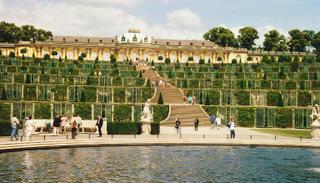
I was to Potsdam last weekend, which used to be the residence of the German kings and is situated around 10 km from Berlin. German kings did not differ from the rest of the kings and let to built the castles, parks and monuments for them. So, it is really nice.

Potsdam: famous castle Sanssouci
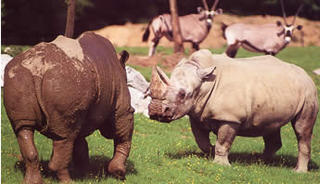
And I was to Berlin zoo with other trainees as well, which is supposed to be the biggest one in Europe. Monkey are funny, elephants are big, giraffes have long necks and goats are smelling. So basically it did not differ from the zoo in Tallinn too much. :)

I decided that I will constantly write some stories which derive from the communication with other people abroad. It can illustrate better my life here and besides people are the main source of inspiration. And like all human beings you like to listen to the stories, don't you?

Story No.1. About intercultural communication and impact of humour on it. Last Friday we had the round table in a pub with other trainees and local aiesecers as every Friday. One moment I was sitting together with one Turkish guy and one Serbian girl. Turkish guy is very nice and funny person, he is constantly making jokes. We were laughing with him before about different things. Then I said to the Serbian girl (so that he could hear also): "Be careful with him, you know those Turkish guys, don't you?" I smiled and everything, it was just a small nice joke, I thought. But Turkish guy became angry with me and his mood became bad. After that he explained that one should never make jokes about a Turkish man in a presence of woman. So-called "face-loosening" situation. All in all, it was good learning experience. Looks like a small thing, but the mood of me and Turkish guy was embittered for the rest of the evening.

Story No. 2. About how small the world is and AIESEC impact on it. I met one Polish AIESEC alumni in Berlin alumnues' meeting. Olo is his nickname, he is around 30 and is very interesting person. He has his small business consulting enterprise and he is constantly travelling all around the world. But the most interesting thing is that we both know at least 4 persons, although we have never met before! And these 4 persons come from 3 different countries. Olo was more than one year on the traineeship in Malaysia and met Maris and Martin from Estonia there. Thank to AIESEC I met both of them in Estonia. He also know Malaysian guy Joe, who was one year in Member Commitee of Estonian AIESEC. And his old friend is Krszysztof, whom I met this spring in Lithuania organizing one AIESEC conference. The world is really small, especially when you are an AIESEC member!

Story No. 3. About the employees of a media company in the time of a big catastrophe. Although there is a lot of beauty in the world, there is also much disgusting stuff here on the earth. Whole Europe got shocked on the 7th of July, when we got to know about the terror attacks in the heart of London. Today we got news about the new attacks there. Both days I was working in Deutsche Welle, which is telling people about these events and where the impact of shocking events is especially great. If usually people are smiling and are relatively relaxed, then in the time of "the breaking news" they have highly concentrated faces and one can frequently see people running through the corridors there and back. One can especially feel this atmosphere in Berlin, which is alike London - big European capital with widely used network of underground...

----------------

[EST] Ma olen nüüdseks täiesti "oma mees" siin Deutsche Welles - paljud inimesed teavad nimelt, et ma ei ole Tallinnast pärit (see on esimene küsimus, mida tavaliselt esitatakse, kui ütled, et oled Eestist). Väga positiivselt m6jutab see töö minu saksa keelt - töötada kollektiivis, kus k6ik räägivad saksa keelt, on väga hea kogemus keele 6ppimise m6ttes.

Käisin vahepeal kohaliku AIESECi koosolekul, Berliini AIESECi vilistlaste (alumnide) kohtumisel, olen
rääkinud paljude inimestega - siin on kogu süsteem paremini välja arendatud kui meil. Eestil on üldse väga palju muidugi Saksamaalt 6ppida. Samas, nagu tihtipeale Eestiski, puudub ka Saksa AIESECis särtsi ja sära. Asja v6etakse vahel liiga t6siselt. Ma kasutasin seda puudust oma edevusvajaduse rahuldamiseks :) - korraldasin mänge praktikantidele ja sakslastele, natuke tantsisime, laulsime jne.

Nädalavahetusel käisime teiste praktikantidega Potsdamis, mis oli Preisimaa kuningate endine resindets ja asub Berliinist 10 km kaugusel. Nagu k6ik kuningad, laisd ka kohalikud endale ehitada losse, parke, tiike, monumente jne. Nii et ilus on.

Veel käisime Berliini tuntud loomaaias - pidavat Euroopa k6ige suurem olema. Ahvid tegelevad ahvimisega, elevandid on suured, kaelkirjakutel on kaelad pikad ja seal, kus on kitsed ja antiloobid, haiseb. Nii et p6him6tteliselt k6ik nagu Tallinna loomaaiaski, ainult et kogu asi on natuke suurem.
The picture from the Berlin Zoo
Otsustasin, et selleks, et saaks paremini illustreerida oma aega siin välismaal, hakkan jutustama iga kord väikseid lugusid, mis pärinevad suhtlemisest erinevate inimestega. Sest teadagi on inimesed ja suhtlemine nendega k6ige suurem inspiratsiooni allikas. Nagu vahel ka k6ige suurem kurbuse ja murede allikas. Ja peale selle meeldib inimestele lugusid kuulata.

Lugu nr.1. Kultuuridevahelisest kommunikatsioonist ja huumori m6just sellele. Meil oli eelmisel reedel traditsiooniline koosviibimine teiste praktikantidega ja saksa aiesecaritega ühes pubis (see toimub siin igal reedel). Ühel hetkel olime koos ühe türklase ja ühe serblannaga koos vestlemas. See türklane on tore tüüp, pidevalt naljatab ja on üldse r66msameelne inimene. Vahetasime pidevalt enne seda temaga nalju. Siis aga ma ütlesin serblannale naeratades (nii et türklane ka kuuleks) umbes sellist asja: "Ole ettevaatlik temaga, tead ju neid türgi mehi eks?" Tegin omast arust toredat nalja. Pärast seda muutus türklane väga kurjaks ja ta tuju läks kohe halvemaks. Läksime välja, ta oli valmis kaklema hakkama. L6unatemperament teadagi. Siis rahunes maha muidugi. Rääkisime ja ta selgitas, et mitte kunagi ei tohi türklase kohta naise kohalolekul nalja teha. Selline siis kultuuridevahelsie kommunikatsiooni 6ppetund. Tundub, et väike asi, aga tuju oli nii minul kui temal terveks 6htuks rikutud.

Lugu nr.2. Maailma väiksusest ja AIESECi m6just sellele. Berliini AIESECi vilistlaste 6htul tutvusin ühe Poola AIESECi vilistlasega Szczecinist, kes töötab Berliinis ja kel oli hea tuttav kohalikus AIESECis. Olo on ta nimi, ta on umbes 28-32 aastat vana, väga tegija inimene, tegeleb ärikonsultatsioonidega, tal on oma väike ettev6te. Ta tuli just 6-päevaselt ärireisilt Hiinast, enne seda viibis Poolas ja ülejärgmisel nädalal läheb USAsse. Ta ütles, et ma peaks kindlalt minema praktikale teisele kontindendile ja vähemalt aastaks (ta ise oli üle aasta praktikal Malaisias). Andis muuhulgas mitmeid soovitusi, mida ma peaks tegema, et alustada oma äri. Aga ma räägin seda lugu seet6ttu, et tuli välja, et me tunneme vähemalt nelja inimest, kuigi me ei ole varem kunagi kokku saanud! Ta oli Malaisias praktikal umbes 4 aastat tagasi ja tunneb Marist, kes oli samuti seal praktikal ja keda mina tunnen AIESEC Eesti kaudu. Samuti on tema hea s6ber Martin, kes oli samuti praktikal Malaisias ja kellega koos me tegime sessiooni ühel AIESECi konverentsil 2 aastat tagasi. Peale selle tunneb ta Malaisia AIESECi vilistlast Joe't, kes oli 3 aastat tagasi AIESEC Eesti juhatuses. Ja ta vana tuttav on AIESEC Wroclawi vilistlane Krszysztof, kellega kohtusime sel kevadel AIESECi konverentsil Leedus. Maailm on väike, eriti kui oled AIESECi liige!

Lugu nr. 3. Meediakontserni töötajatest suurte katastroofide ajal. Vaatamata maailma ilule, on maailmas ka palju jubedaid asju. 7. juulil sai kogu maailm shoki, kui sai teada, et neli pommi plahvatas Londoni südalinnas. Täna, kui ma kirjutan seda lugu, tulid teated uutest terrorirünnakutest Londonis. Nii toona kui täna olen olnud tööl Deutsche Welles. Kuna DW on meediakanal, mis nendest sündmustest inimestele teada annab, on siin suure katastroofi m6ju eriti tuntav. Kui tavaliselt on inimesed r66msameelsed ja käivad üsna rahulikult ringi, siis "Breaking news"'i ajal on k6ikidel murelikud näod ja pidevalt on näha koridorides sinna ja tagasi jooksvaid uudistetööstuse töötajaid. Seda eriti muidugi Berliinis, kus nagu Londoniski, on suur ja laialdaselt kasutatav metroo v6rgustik, ja mis, nagu ka London, on Euroopa suur pealinn. Minu kolleeg ütles mulle just hiljuti: "Täna ma ei lähe metrooga koju"...