Pages

Thursday, October 20, 2005

What does it mean to be famous in Split


I have never been so famous as I am in Split now. :)

AIESEC in Split is organizng EuroCo - big conference with the delegates from all around Europe (
http://www.efst.hr/aiesec/euroco2005/). They are stressing on the promotion of AIESEC through this conference. There was traditional Global Village this Monday, where all delegates were representing their countries - food, drinks, booklets etc. The event was happening outside in the very centre of Split on the main square near the sea and it was open to all intreseted people. We had big stage, music and many people participating there.

I had luck to be host of this event - it was interesting experience to be on the stage in front of hundreds of people outside and speak to them.

Besides that fact EuroCo and AIESEC found great promotion in media thanks to good external relations job. And local AIESEC was presenting me as their "foreign specialist from Estonia". I gave interviews to the local radio station, television and newspaper. I pretty much enjoyed to be interviewed, especially after I showed my "amazing" capabilities to speak Croatian (I am learning Croatian now and was trying to speak at elast partly Croatian during the interviews). Hope, I impressed them :)

Nevertheless I must admit that no-one has asked for my signature in the town or wanted to take a picture with me yet :(

This conference is taking palce in small town outside Split (around 60 km from Split) and I have been travelling to the parties of it each evening there and morning back since Monday. Meanwhile I have been working in AIESEC office during the days in Split. Now, while writing this post, I feel quite exhausted after 3-nights long marathon of sleeping 2-3 hours during the night and partying with the foreign delegates. We decided to take a break and not to go there today. But me and my colleagues from AIESEC Split will definetely be kings of the dance floor on Friday and Saturday nights ;)

But as like as parties and fun is just certain part of AIESEC, so is my life here. I have quite big responsibility in my work here - I became main responsible for the recruitment of new members and it means that I have to manage my own team (6 people). It is quite tough sometimes, as I don´t know many simple and banal things - where can I print out something, how can I agree to have room for the meeting, who should be contact person for what etc. But challenges just make you more enthusiastic about what you are doing. Besides it is great to feel that people take you seriously and believe that you can bring real value to them. It is different from when you are going for internship to some company, where you are just a young guy who does not know anything yet.

Are there many possibilities when a 23-years old person comes to the foreign country and is being given big responsibility and his own team? Thanks to AIESEC I have this possibility.

Members of LC Split take me as one among themselves already. Interesting that I deserved love and appreciation of locals thanks to the fact that I have been drinking a lot on the party two weeks ago. One gets nickname "The King" in Split after one gets drunk here. :)

It was pleasant to see again Viljo, Herdis and Liisa who came to this conference as well, to be host for them and show them Split around. And we were swimming in the sea last Sunday (16th of October)!

Thursday, October 06, 2005

Some facts and observations about Croatia / M6ned faktid ja tahelepanekud Horvaatia kohta


Autumn is slowly taking its place in Split. This means that it is raining time-to-time and one should wear sometimes shirts with long sleeves. Still, I was swimming on 2nd of October.

Croatia was invited for negotiations with EU some few days ago. It has been discussed about it a lot here. Croats got independence in 1991 and they are very proud of it - patriotic feelings are here very strong. Interesting that one can see Croatian national coat of arms on the walls in almost every pub or cafe. Croatian national flags are to be seen quite often in the town picture as well.

Croatia went through the civil war in 1991-1995 and the economics of the country is still recovering. Average level of living is quite high in comparison to other post-Communist countries, but still much behind Western countries.

The civil war in 1990s was especially bad for one of the main income sources of Croatia - tourism. Now the world is re-discovering Croatian beauties. There were 20% more visitors in the country this season than last one. Lonely Planet, the world famous publisher of tourist guides, has declared Croatia to be the world's most popular destination in 2005 (www.croatia.hr/misc/LonelyPlanet.aspx).

If to say few words about local people, then young people do not differ very much from youth in Estonia or Germany. The main difference is that Catholic traditions are to be felt (Catholic church plays an important role in the country like in Poland). For example the family plays generally important role in the lives of young people (it makes task of AIESEC more difficult - students often have to ask the permission to go abroad from their parents).

Young people look just like in Estonia or Germany. Split is known as the city with the most trendy and fashionable people. One can see clothes-shops with mainly Italian brands at every step in the city. There is no other city than Split, where so many beauties have come from who won the title Miss Croatia. Indeed, one can see quite many good-looking women in the streets.

Croats are generally temperament nation in the context of Europe, but not as much as Italians or Bulgarians for example. Music plays very important role in the live of local people. For instance, young people sing at almost every party here.

Now there are new pictures of mine to be seen: the last weeks in Berlin, trip to Slovenia and first week in Croatia. Enjoy!
www.flickr.com/photos/deniss
----------------------------------------

[EST] Spliti on j6udnud sygis. Mis tahendab, et aeg-ajalt sajab vihma ja vahel tuleb pikkade varukatega sarke v6i kampsuneid selga panna. Aga 2. oktoobril sain veel meres ujuda.

Horvaatia sai paar paeva tagasi ametliku kutse labiraakimistele EL-iga. Ehk siin toimub see, mida Eesti elas yle 7-8 aastat tagasi. Ja selles suhtes on palju sarnasusi.

Nagu Eestigi, oli Horvaatia suure kommunistliku yhenduse osa, kus esimese viiuli roll oli kellelgi teisel (N6ukogude liidus venelased, Jugoslaavias serblased). Nagu Eestigi NSVLis, oli Horvaatia Jugoslaavias koos Sloveeniaga yks k6ige edumeelsemiad osariike. Yhed olulisemad probleemid teel EL-isse olid seotud Horvaatias vahemuste 6igustega, mida EL on riigile ette heitnud (kohalike serblaste situatsioon). Sama on toimunud ka Eestis, kellele Euroopa Liit on kohalike venelaste olukorda ette heitnud (kyll mitte nii j6uliselt nagu Horvaatiale).

Horvaadid said iseseisvuse 1991. aastal ja on selle yle vaga uhked. Patriotism on siin vaga tugev. Huvitav, et peaaegu igas baaris v6i kohvikus v6ib seina peal naha riigivappi. Ka riigilippu v6ib kohata yldiselt sagedamini kui Eestis.

Majanduslik olukord Horvaatias on sarnane Eestiga v6i pisut parem. Inimesed teenivad suhteliselt hasti ja majandus areneb. Siinkohal tuleb arvesse v6tta, et 1991.-1995. aastatel elas Horvaatia yle kodus6ja ja see andis tundliku hoobi kohalikule rahalehmale - turismile.

Nyyd areneb turismiala Horvaatias hoogsalt. Sel hooajal kylastas seda riiki 20% rohkem turiste kui eelmisel perioodil. Lonely Planet nimetas Horvaatiat maailma k6ige populaarsemaks sihtkohaks 2005. aastal (www.croatia.hr/misc/LonelyPlanet.aspx).

Hinnad on riigis yldiselt natuke k6rgemad kui Eestis (samas olin ma Eestis viimati juunis, nii et ei oska oelda, mis seal preagu valitseb) :) Transport ja sook on tunduvalt kallimad. Ehk tuleneb see ka sellest, et elan Splitis, mis on eriti suvel turismimagnet.

Kui oelda paar s6na kohalike inimesete kohta, siis noored ei erine suures osas Eesti omavanustest. P6hiline erinevus on see, et katoliiklik taust annab tunda (Horvaatias mangib katoliiklik kirik olulist rolli nagu naiteks Poolas). Naiteks perekond mangib yldiselt suuremat rolli noorte elus (see teeb AIESECi ylesannet vahel raskemaks, sest yli6pialsed peavad sageli vanematelt loa kysima, kui valismaale minna tahavad).

Noored inimesed naevad valja samamoodi nagu Eestis v6i Saksamaal. Split on tuntud kui linn, kus elavad Horvaatia k6ige trendikamad inimesed. Peamiselt Itaalia paritoluga riietepoode naeb igal sammul. Mitte yhestki teisest linnast ei ole olnud nii palju kaunitare, kes said Miss Horvaatia tiitli, nagu Splitist. Ja t6epoolest naeb linnapildis ysna palju kenasid naisi.

Horvaadid on yldiselt Euroopa kontekstis temperamentne rahvus, kuigi mitte nii vaga nagu itaallased v6i bulgaarlased. Muusika mangib siinsete inimeste elus vaga suurt rolli. Pidudel naiteks lauldakse peaaegu alati.

Nyyd saab naha mu uusi pilte - viimased nadalad Berliinis, pildid Sloveeniast ja esimene nadal Horvaatias. Aadress on endine:
www.flickr.com/photos/deniss

Tuesday, September 27, 2005

I am in paradise! / Ma olen paradiisis!


What is the paradise? What does it mean to be in paradise? I got an answer to those questions after arrival in Split.

Split is second largest city in Croatia which is situated on the coast of Adriatic sea. It is the capital of Dalmatia (Croatian coastline district). Dalmatia and its beautiful beaches, diverse islands, well preserved old towns and mild warm climate attract many tourists from all around the world. Croatia got a title as "Lonely Planet Destination No. 1 in 2005". And now I understand why.

The most southern point that I have ever been to before that trip was Munich (Mynchen) in Southern Germany. But here I got the feeling of real Southern Europe! It is amazing for me to see palm-trees growing on the streets and in the gardens of people. Amazing is to see the light blue-green colour of the water in the sea. Amazing is the fact that today is 27th of September, but I am sweating in the t-shirt and will go to the sea to swim in couple of hours.

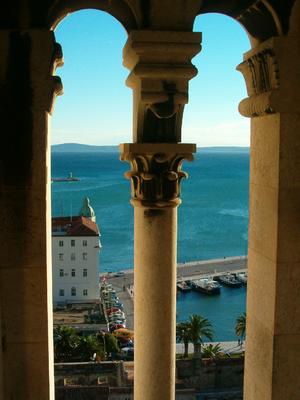
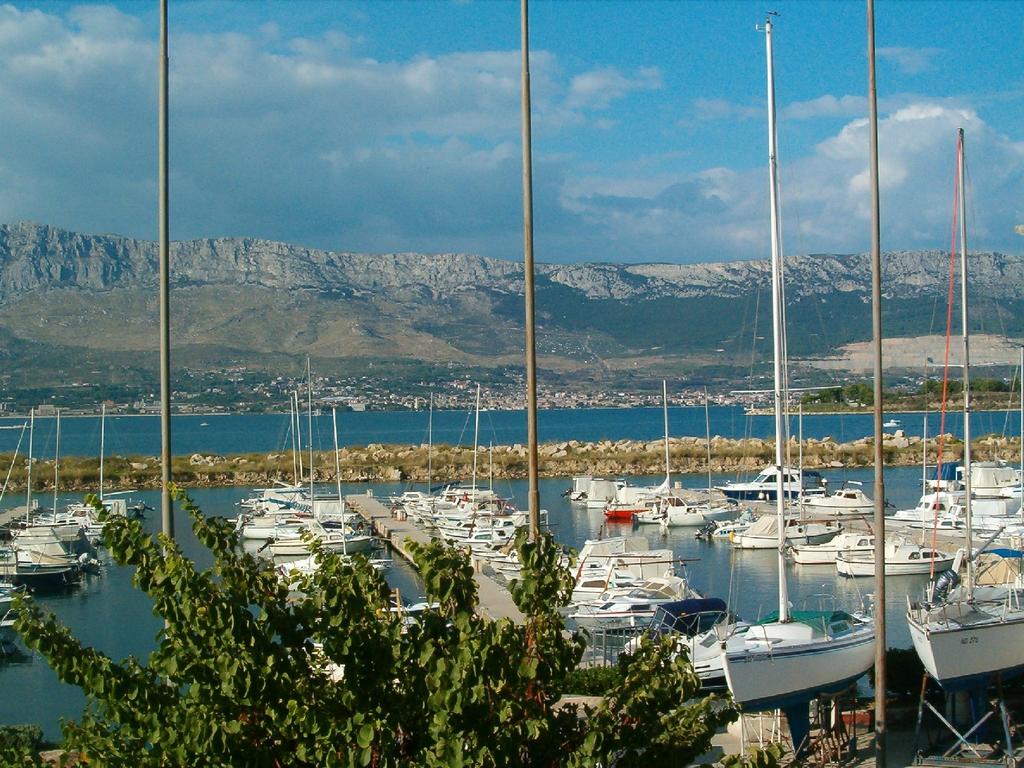
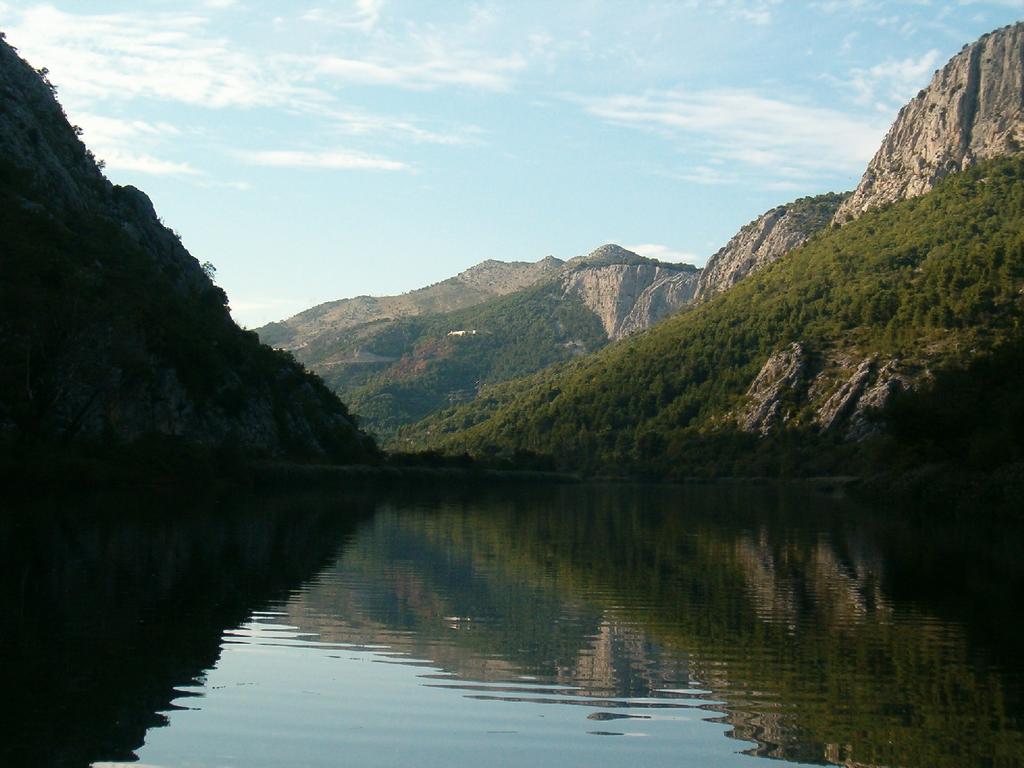
About 300 meters away from my dorms, where I am staying, is the seacoast. There are plenty of bigger and smaller islands near Split, therefore one can get a breathtaking view on the mountainous islands around Split.

It is strange to feel that my real summer has started just in Slovenia in the middle of September and got to its highlights just in Split in 20ths of September. There was too much work in July and August in Berlin to get a real summer feeling probably.


Split is also very interesting because of its history and architecture. It is 1700 years old and its old part has its roots in Ancient Rome. It is considered as one of the best preserved Ancient Rome towns. The old part is under protection of UNESCO. It is great feeling to see 1500-1600 years old stone houses which are still inhabited. It is amazing to walk on the one-meter-broad streets where the others walked also a thousand years ago.

What do I do here? I am staying in Split for about 4 months till the end of January. I will be working in AIESEC Split Executive Board and will be responsible for promotion and recruitment of local students and graduates who want to go for a traineeship abroad. For Aiesecars - I am doing CEED as VPOGX here. This is an interesting challenge because Split has lot of potential, but they just sent 2 people abroad last year (whereas they accepted about 14).

I came to Split from Zagreb, a capital of Croatia, where Is pent three days. Although being an interesting city, Zagreb does not differentiate in my opinion from many other Central European big cities that I have been to before. A very interesting experience was to feel difference in landscape and climate in different parts of Croatia. When I entered the bus in Zagreb, it was around 12 degrees, rainy and grey. When I arrived in Split, it was 25 degrees outside and completely sunny!

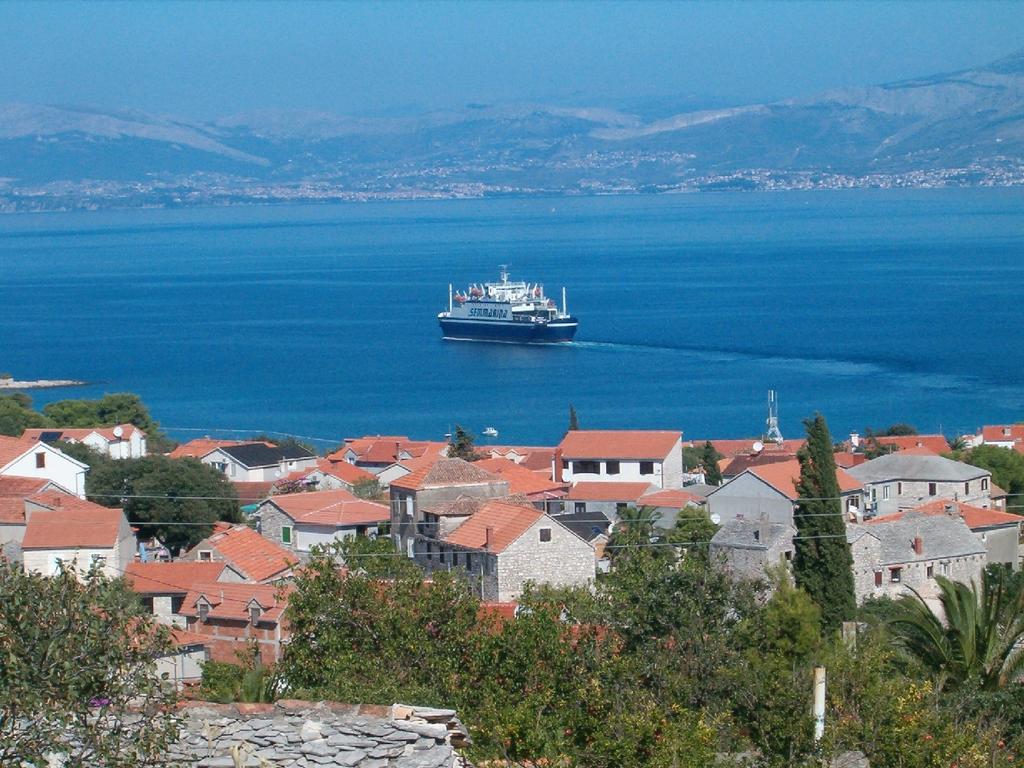
I went to the island Brac next to Split on my first weekend here. It has around 14.000 inhabitants altogether. I could walk around 25 kilometres a day on this island. Because everything was just so nice! :) I am going to upload the pictures from there soon.
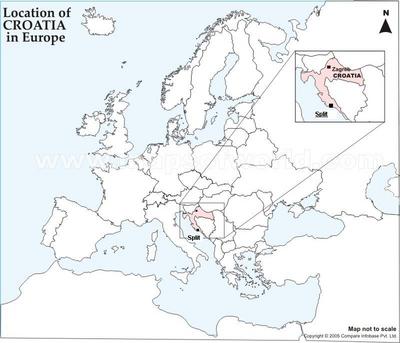
You wonder where exactly Split is? / Ka su vanaisa ei tea tapselt, kus asub Split?
-----------------
[EST] Mis on paradiis? Mis tahendab olla paradiisis? Sain vastuse nendele kysimustele tulles Spliti.

Split on suuruselt teine linn Horvaatias, mis asub Aadria mere rannikul. See on yhtlasi Dalmaatsia (Horvaatia rannikuosa) pealinn. Dalmaatsia oma kaunite randade, mitmekesiste saarte, hasti sailinud vanade linnade ja pehme sooja kliimaga meelitab paljusid turiste kogu maailmast. Horvaatia sai tiitli "Lonely Planet Destination No. 1 in 2005". Ja ma sain aru misparast.

Enne seda reisi oli k6ige l6napoolsem punkt, kuhu ma olen j6udnud, Mynhen. Siin sain tunda t6elist L6una-Euroopat! Imeline on naha palme, mis kasvavad tanavatel ja inimeste aedades. Imeline on naha merd rohelis-sinise veega (parast seda ei saa ma Laanemere vee varvi mitte kuidagi teisiti kui halliks nimetada). Imeline on see, et tana on 27. september ja ma higistan t-sargis ning paari tunni parast lahen meres ujuma.

Umbes 300 meetri kaugusel mu yhiselamust on mererand. Ja kuna Spliti lahedal on palju vaiksemaid ja suuremaid saari, siis Splitist avaneb kaunis vaade lahedal asuvatele magistele saartele.

Imelik on tunda, et mu t6eline suvi algas alles Sloveenias septembri keskpaiku j6udes oma tippu Splitis septembri 20-tel kuupaevadel. Berliinis oli liiga palju tood t6elise suvise tunde tekkimiseks.

Split on aarmiselt huvitav ka oma ajaloo ja arhitektuuri parast. See on 1700 aastat vana ning vanalinn parineb Vana-Rooma aegadest. Seda peetakse Vana-Rooma ajast yheks k6ige paremini sailinuks linnaks ning kesklinn on UNESCO kaitse all. Vaatepilt vanalinnas on muiudugi kirjeldamatu. Umbes 1500-1600 aasta vanused kivised majakesed, kus siimaani elatakse ja ligi meetrilaiused tanavad, kus kaidi ka tuhat aastat tagasi - see k6ik on vaga v6imas.

Mida ma siis siin teen? Jaan Spliti ligikaudu 4 kuuks kuni jaanuari l6puni. Selle 4 kuu jooksul tootan AIESEC Spliti juhatuses, kus hakkan korraldama AIESECi promot kohalike tudengite jaoks eesmargiga neid AIESECi praktikale valismaale saata (ehk teen sama tood, mis Tartu AIESECis). Aiesecarite jaoks - olen CEEDil ning tootan VPOGXina. See on huvitav valjakutse, sest Splitil on kindlasti potentsiaali, kuid eelmisel aastal saatsid nad valismaale vaid 2 inimest (samal ajal kui v6tsid vastu ligi 14).

Spliti tulin Horvaatia pealinnast Zagrebist, kus veetsin kolm paeva. Kuigi huvitav linn, ei erine Zagreb minu jaoks paljudest teistest Kesk-Euroopa suurlinnadest, mida olen seni nainud. Kirjeldamatu tunne oli mul kui sain tunda, kuiv6rd mitmekesine on Horvaatia maastik ja kliima. Kui istusin Zagrebis bussi, oli valjas umbes 12 kraadi sooja, vihmane ja hall. Kui valjusin bussist (s6it kestis 4,5 tundi), paistis paike ja sooja oli ligi 25 kraadi!

Mu esimesel nadalavahetusel olen j6udnud ara kaia Spliti lahedal asuval saarel Brac, kus kokku elab ligi 14.000 inimest. Sellel saarel k6ndisin umbes 25 kilomeetrit paevas. Sest k6ik on nii ilus! :)

Tuesday, September 20, 2005

A word from beautiful Slovenia


It is my last evening in Slovenia, where I have got two friends, whom I met in Germany two and three years ago. It is a beautiful country! Although it is smaller than Estonia, it has everything from the mountains till the sea beaches.

I was very kindly hosted by my Slovenian female friends. I went to hike in the mountains (Velika Planina). I went to one of the most famous caves in Europe, which goes 100 meters deep under the surface and is 20 km long (Postonjska Jama). I saw the beautiful white horses from the race Lipica. I went to the gorgeous lake of Bled surrounded by mountains and having little island just in the middle with lovely church on it.

Apart of it I went to the night club in Ljubljana, had fun with Slovenian students in the dormitory and had fabulous dinners in the family of my friend.

More than happy! :)

Interesting that I found many similarities with Estonia. Slovenia is also a small country with population just about 2 millions (Estonia has 1,4 millions) - so Slovenes are also the part of the remarks from foreigners like "Ooo! Your whole country is smaller than my city!".

Slovenia is the most developed country in ex-Yugoslavia (it has the strongest economy among all Post-Communist countries in Eastern Europe) as much as Estonia is considered to be the most progressive ex-Soviet country. Mentality of the people is also similiar to the one in Estonia. Slovenia has national minorities from other ex-Yugoslav republics which could be compared to Estonian Russians (mentality, economic and societal position etc).

Picture of the rural areas differ significally from Estonia, being very similiar to Southern Germany: nice white houses with red flowers around.

Tuesday, September 13, 2005

Last days in Berlin

On the beach in the outskirts of Berlin...


Tomorrow is my last day in Berlin. Today I am working in my restaurant for the last time and having small party with my colleagues. Tomorrow I am going to organize a big farewelll-party for all the people whom I met here: AIESECars from Berlin, other trainees, some of my colleagues from both works.

One period of my life is ending. Another one is starting. I am going to Ljubljana (Slovenia) for some 4 days. I have one friend there whom I have not seen since 3 years. We met in Germany three years ago, spent very much time together and all that time kept in touch. Now I will see her again. After that I am going to Zagreb (Croatia), where one very dear person lives. I have not seen her more than one year. I wonder how it will be...

Afterwards I am heading to Split, where I am going to spend around 4 months of my life. I am going to work in local bureau of AIESEC. Split is considered to be a pearl of Mediterranean area.

Many things happened to me in Berlin, positive as well as some negative. But I gained many new experiences, I growed as a person, I feel myself even more comfortable in this world. Let's see what will I learn from my next period of the life.

Friday, September 02, 2005

Hard work in Berlin

I have not written here anything since a long time. The reason is that I am working as mad. In addition to my main traineeship from 9.00 till 17.30 I work about 3 evenings in a week in the restaurant in service (I need to earn money for my future trip to Slovenia and Croatia). I go there directly from the first work and stay there till 1 o'clock. It means that I come home by 2 o'clock.
And Deutsche Welle has been organizing two big events last and this weekends. That is one of the main reasons, why do they keep me here - to help by organizing them. The closer event, the more job to do.
But it is interesing experience, as now I truly understood, what does it mean to be really tired, exhausted, f***d up, whatever you call it. When you work 14 hours in a day, when you need one hour to go there and one hour to go back and you return home in the late night, there is no other word than "bed" turing around in your head. Your legs are hurting like a hell and your mind is completely switched off. Now I understand people in the third world countries, who work 12-14 hours doing physical job. I thought that it might be good, if all politicians, professors, managers etc would try to work like this for some few weeks at least. Then they would appreciate more physical labor of "ordinary" people.
By the way I understood, why Communism has been so popular in 20th century. Workers and peasant worked around 12 hours in a day in Russia before 1917. And they saw all those reach guys driving around with they horses, smoking siggars and taking rest in resorts. Of course, the feeling of being apart of the society rose in their heads. I must admit, I have been feeling kind of the same, when I have been returning home after being at two works and saw all those fancy Berlin young people in Cadillacs dressed in very expensive clothes. So, I could be potential participant in a revolution...
But also something about positive experience - I have been invited to be the chair of Reception Weekend in Berlin last weekend. For those who do not know - reception weekend is 3 days long AIESEC event, when trainees and aiesecars from other cities come to Berlin to discover the city and have fun. I have been providing fun for them and I suppose, I succeeded :) It was interesting experience for me anyway, as a reception weekend is different from AIESEC conference, which I have been chairing before. People work less, party more.
Ah yes, there was another guy with me as a chair as well - one Columbian, whom I like actually. The thing is that he came to the Saturday morning plenary 5 minutes after it has ended. Probably it was to hard for him to arrive in the Sunday morning plenary, because no-one saw him there anyway. :)
My boss in Deutsche Welle said that as I have been being nice and hard-working guy, I can finish my work here 3-4 days earlier than we agreed before. Probably I will go to Slovenia and Croatia a bit earlier also. So, my dream will come truth probably earlier ;)

Friday, August 12, 2005

The coldest August in the past 100 years / K6ige külmem august viimase 100 aasta jooksul

I met Helena from AIESEC Pärnu yesterday, who came to Berlin for one AIESEC conference. She stayed at my place and we organized small Estonian party, where I invited some other trainees. We drank Estonian wodka, ate Estonian chocolate and everyone seemed to enjoy it. Tomorrow some more Estonians are coming and will bring some food that I miss here in Germany. It is so great to host guests from the homeland! :)

Small party in my dormitory: me, Helena and Berlin trainees / Väike pidu minu juures: mina, Helena ja Berliini praktikandid


The weather sucks here. Today I read from the newspaper that it has been the coldest August in past 100 years in Berlin. One guy from Poland brought from home an autumn-jacket, because it is just too cold. And it is raining constantly. I want to Croatia already.


This Saturday I am organizing a trip to Rostock, where famous Hansa Sail will take place. But the greatest is the fact that 18 people according to today’s stand are joining the trip. 18 trainees from all around the world travelling together in Germany – it is something really great!


There is an important change in my life – I found additional job for me. I work 2-3 evening per week in a restaurant as a waiter. It is a Brasilian restaurant. Both place itself and the food is great there. It is a bit tiresome, as I have to go there straight after my main job and stay there until one o’clock and the next morning go to the main job again. But the fact that I can earn 50-65 euro with one evening with that kind of job seems unbelievable for me as an Eastern European. And I need money to go to Croatia. So it is a good opportunity for me actually.


Story No 6. About smiling and friendliness
There is very much "keep smiling" culture in Germany in comparison to Estonia. I have been thinking, whether it is so good. On one hand it is good, when people are not constantly with dour faces around like in many Estonian shops or other places, but they know about existence of smiles too. And people are generally more friendly here than in Estonia. On the other hand. it is often just fake.


For example my work. Secretaries here have always joyful voices, speak by phone to the people as if they would be their best friends, lovers etc. And when they finish their phone conversation, they say to each other something like: "Ohhh, there was again this senseless talk"... Then I think always that those female colleagues of me presumably speak in absence of me something like: "Ohhh, there was again this stupid foreign trainee"... I hate hypocrisy.


----------------------------------
[EST] Eile sain kokku Helenaga AIESEC Pärnust, kes tuli Berliini ühele seminarile. Ta ööbis mu juures ja me korraldasime väikse Eesti peo, kuhu ma kutsusin oma tuttavaid praktikante. J6ime koos Eesti viina, s6ime koos Eesti sokolaadi ja meil oli üldiselt tore olla. Homme tulevad ühed teised tuttavad Eestist, peavad tooma häid asju Eestist (nagu näiteks Tallina Peenleib, sest Saksamaal head musta leiba ei eksisteeri). Nii hea meel on vastu v6tta külalisu kodumaalt :)


Ilm sakib siin täiega, teist väljendit ei oskagi selle jaoks leida. Lugesin täna ajalehest, et tänavu on k6ige külmem august viimase 100 aasta jooksul. Tuttav Poola praktikant tellis kodust sügisjope, sest liiga külm on. Sajab ka pidevalt. Ülehomseks lubati aga koguni 21 kraadi sooja! Uskumatu. Tahan Horvaatiasse juba.


Sel laupäeval korraldan ühe reisi Rostocki, kus toimub kuulus regatt. K6ige lahedam on selle juures aga see, et meid tuleb sinna praeguse seisuga 18 inimest. 18 praktikanti k6iksugustest maailmariikidest koos Saksamaal reisimas – see on midagi t6esti väga lahedat.


Oluline muutus mu igapäevaelus – leidsin endale lisatööd. Töötan nüüd 2-3 6htut nädalas restoranis kelnerina. See on Brasiilia restoran, väga ilus koht ja toidud on super. See on natuke väsitav, sest pean sinna minema otse mu esimeselt töökohalt ja jään sinna kuni kella üheni ja järgmisel hommikul uuesti esimesele tööle. Aga minu kui ida-eurooplase jaoks tundub see fakt, et saan kelnerina 50-65 eurot ühe 6htuga teenida, ikkagi uskumatu. Ja ma vajan raha, et Horvaatisse minna. Nii et hea v6imlaus tegelikult.
Me in the restaurant, where I work in the evenings / Mina restoranis, kus ma töötan 6htuti


Lugu nr. 6. Naeratusest ja s6bralikkusest


Saksamaal on erinevalt Eestist palju "keep smiling’ut". Ma olen m6tisklenud, kas see on ikka hea. Ühelt poolt on ju tore, kui inimesed ei ole mornide nägudega nagu paljudes Eesti poodides v6i muudes kohtades, vaid teavad naeratuse olemasolust ka. Ja inimesed on üldiselt natuke s6bralikumad siin kui Eestis. Samas on see tihtipeale ikkagi väga v6lts. Näiteks kui ma ostan asju supermarketist ja lähen maksma, ütleb mulle müüja muidugi alati "Tere!", "Aitäh!" jne. Aga ta ütleb mulle "Nägemist" juba siis kui ta mulle tsekki ulatab ehk enne seda, kui ma päriselt ära lähen, sest ma pean ostetud asju ka kotti panna.


V6i minu töö juures. Siinsed sekretärid on ülir66msate häältega telefonis, räägivad teistega justkui oleksid need nende parimad s6brad, armukesed vms. Kui nad telefonitoru aga hargile panevad, räägivad omavahel umbes taolist juttu – "Ohhh, jälle oli üks m6ttetu jutt"... Siis m6tlen alati, et täiesti vabalt v6ivad need naiskolleegid, kes on muidu väga s6bralikud mu vastu, minu äraolekul rääkida midagi sellist – "Ohh, jälle see m6ttetu välispraktikant"... Vihkan silmakirjalikkust.

Friday, August 05, 2005

TOP 5 most surprising facts about Estonia for the foreigners / TOP 5 faktidest Eesti kohta, mis üllatavad välismaalasi

Now there is around 40 more people in the world who know how great is my small country called Estonia :) I did a country-presentation for local AIESEC members and other foreign trainees. I showed a nice PowerPoint, played music from Estonia, we drank some Estonian beverages, ate Estonian chocolate and everyone seemed to enjoy the evening. Me too, as I like to talk about Estonia. Do you want to know TOP5 of facts about Estonia which are most surprising for foreigners (maybe for you too) :)

#1 The highest point of Estonia is 318 meters. The best reaction I got to it: "It is like a swamp!"

#2 There are white nights in Estonia. This seems to be unbelievable for people from the South that there are nights in June-July, when there is never getting completely dark.

#3 Estonian girls are sooooo beautiful! Some of the people who have been to Estonia and others who took a look on my photos with some female friends, were surprised about how nice they are. I should agree ;)

#4 Internet-phone Skype was originally created in Estonia. This and other facts like e-government, e-elections and other wide-spread advancements in technology are surprising for foreigners.

#5 There are 1,4 Million inhabitants in Estonia. Typical reaction: "But it is 3/4/6/10 times less than in my city!" Yes we are little :)

One of the biggest surprises for me was to hear from the Southern foreigners (I go out here a lot with people from Greece, Turkey, Arabic countries) something like that: "Deniss, you should know that guy! He looks the same blond like you!" Me and blond?!! In Estonia I am considered to be quite dark - I tried to explain - but nothing helped! :)


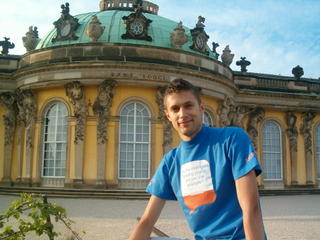
"Blond" me in the front of castle in Potsdam / "Blond" mina lossi ees Potsdamis

Last weekend we were to the Nazi concentration camp museum near Berlin. Very interesting, but quite sad place to visit. Nazis killed more than 100.000 people in this single place...

Two of my former classmates from the university stayed at my place this week. They travelled around Europe by hitch-hiking and I offered them to make a stop in Berlin. They agreed and we all were very happy. They - because they got some place to stay
for free. Me - because I was happy to get a visit from some great Estonians. One friend of mine booked two nights at my place for the next week already. And after her one more couple from Estonia is coming. I am functioning like a youth hostel and it is great :)

I won't be telling any stories this week, but you can share my compassion toward misused bicycles in Berlin. For me, a big fan of a bicycle, it has been a very sad picture... You can take a look on the gallery of them and my other newer pictures here:
www.flickr.com/photos/deniss

-----------------

[EST] Nüüd on maailmas umbes 40 inimese v6rra rohkem, kes teavad, kuiv6rd lahe riik on Eesti :) Ma tegin siin kohaliku AIESECi ja teiste välispraktikantide jaoks presentatsiooni Eestist. Toreda powerpoindi, kena muusika, Viru Valge+6unamahla kokteili ja mu esinemise abil :) Tahate teada, mis on top 5 faktidest Eesti kohta, mis teisi üllatavad?

#1 Eesti k6ige k6rgem koht on 318 meetrit. Parim reaktsioon sellele: "See on ju nagu soo!" Olge uhked, Eesti soo-armastajad!

#2 Eestis on valged ööd. L6unamaalaste jaoks tundub uskumatu, et juunis-juulis on ööd, mil ei lähegi täiesti pimedaks. Olge uhked, Eesti romantikud!

#3 Eestis on niiiiiiii ilusad naised! M6ned meeskodanikest välismaalased on Eestit külastanud ja oli näha, kuiv6rd hakkasid nende silmad särama kui nad rääkisid oma muljetest Tallinna/Tartu ööklubidest. Sama reaktsioon on järgnenud sellele, kui näitasin pilte minust ja mu naissoost tuttavatest-s6pradest Eestis. Olge uhked, Eesti naised :)

#4 Skype'i on välja arendatud Eestis. See ja sellised faktid nagu e-valimised, e-valitsus jne, pakuvad inimestele alati üllatuse. Olge uhked, Eesti tehnokraadid!

#5 Eestis on 1,4 miljonit elanikku. Tüüpiline reaktsioon: "See on ju 4/5/6/10 korda vähem kui mu linnas!". Olge uhked, Eesti maaelu patrioodid!

Ja mind ennast on üllatanud, kui l6unamaade inimesed (ma suhtlen siin palju praktikantidega Kreekast, Türgist, Araabia maade esindajatega jne) ütlevad mulle midagi sellist: "Noh, tead ju seda tüüpi! Tal on sama blondpea nagu sinulgi". Mina ja blond?!!!

Eelmisel nädalavahetusel käisime ekskursioonil endises natsi-konts.laagris. Nüüd on seal muuseum. Huvitav, aga kurb. Ainuüksi selles kohas tapsid natsid ligi 100.000 inimest...
A story of the bicycle in Berlin - the part of my gallery / Berliini jalgratta lugu - mu gallerii osa

Sel nädalal käisid mu juures külas kaks endist kursa6de Eestist - Maarja ja Kadri-Liis! Nad ööbisid mu juures kaks ööd ja mul oli väga hea meel selle üle. Järgmisel nädalal broneeris mu toa veel üks tuttav neiu ja pärast veel üks paar Eestist. "Zum Deniss" hotelli uksed on lahti k6ikide jaoks!

Sel nädalal ei hakka lugusid rääkima, sest tegelikult on praegu reedene 6htu ja k6ik kolleegid on töölt ammu lahkunud ja mina üksi istun kontoris nagu loll, sest varem ei olnudki aega midagi kirjutada.

Huvilised v6ivad aga jagada minu kurbust mahajäetud jalgrataste suhtes (mulle kui jalgratta suure s6bra jaoks on see vaatepilt eriti nukker olnud) siin: www.flickr.com/photos/deniss Seal saab nautida ka muid värskemaid pilte.